Pick up a bottle of hand soap at the drugstore and there is a fair chance the label says antibacterial somewhere. It sounds like the safer choice for a family. That promise got years of scrutiny from the FDA, and the agency's answer, made final in 2016, is that plain soap and water does the job at home.
We make a gentle hand soap, not an antibacterial one, so we read that rule closely.
The short answer
For everyday washing, a gentle hand soap is all your hands need. According to the FDA, there is not enough evidence that over-the-counter antibacterial soaps prevent illness better than plain soap and water, and its 2016 rule took 19 active ingredients, triclosan among them, out of consumer hand soaps and body washes. How you wash matters more: lather, scrub for at least 20 seconds, the CDC says, then rinse.
Gentle hand soap vs antibacterial soap at a glance
Plain soap does the job at home
- No proof antibacterial soap prevents more illness
- 19 actives, triclosan included, pulled in 2016
- Scrub time matters more than the label
Antibacterial soap vs regular soap comes down to one added ingredient. Both clean with surfactants and water, but the antibacterial version adds a drug ingredient meant to kill or slow bacteria, which is why it carries a Drug Facts label. A gentle hand soap leaves that out and puts its effort into how the wash feels on skin you clean many times a day.
We scored them in three rounds: what each adds, the evidence and how each handles germs. Gentle soap wins two. The third is a tie.
Gentle vs antibacterial, topic by topic
3 rounds, scored
What antibacterial soap adds
In the FDA's description, antibacterial soap is soap plus an active ingredient meant to reduce or prevent bacterial infection. Some labels say antimicrobial or antiseptic. Same idea.
On the shelf, three things give it away:
- The word antibacterial on the front of the bottle
- A Drug Facts panel, which the FDA calls a sign of antibacterial ingredients
- Benzalkonium chloride, benzethonium chloride or chloroxylenol listed as the active ingredient
Those three actives are still allowed, with a ruling on hold while manufacturers run new safety and effectiveness studies. Our guide to hand wash ingredients to avoid covers the rest of the back label line by line.
Why the FDA says plain soap works
In September 2016 the FDA issued a final rule on consumer antiseptic washes. Under it, 19 active ingredients, including triclosan and triclocarban, can no longer be marketed in nonprescription liquid, foam and gel hand soaps, bar soaps or body washes. The rule took effect on September 6, 2017.
The reason was missing data. Manufacturers never showed that those ingredients were safe for long-term daily use, or that they prevented illness better than plain soap and water. The agency lays this out in its FDA guidance on plain soap.
In a lab, the answer to does antibacterial soap work is yes: it can lower the number of bacteria on skin. What the data do not show, the FDA found, is that a lower count means fewer infections at home, which is why the agency asked for clinical outcome studies.
For anyone asking is antibacterial soap bad, the rule leaves open questions: how much of these ingredients the body absorbs over years of use, possible hormonal effects, and whether widespread use helps bacteria grow tolerant of antiseptics. With no proven benefit to weigh against those, the FDA ruled against them.
Does soap kill bacteria?
Mostly, no. It does not have to.
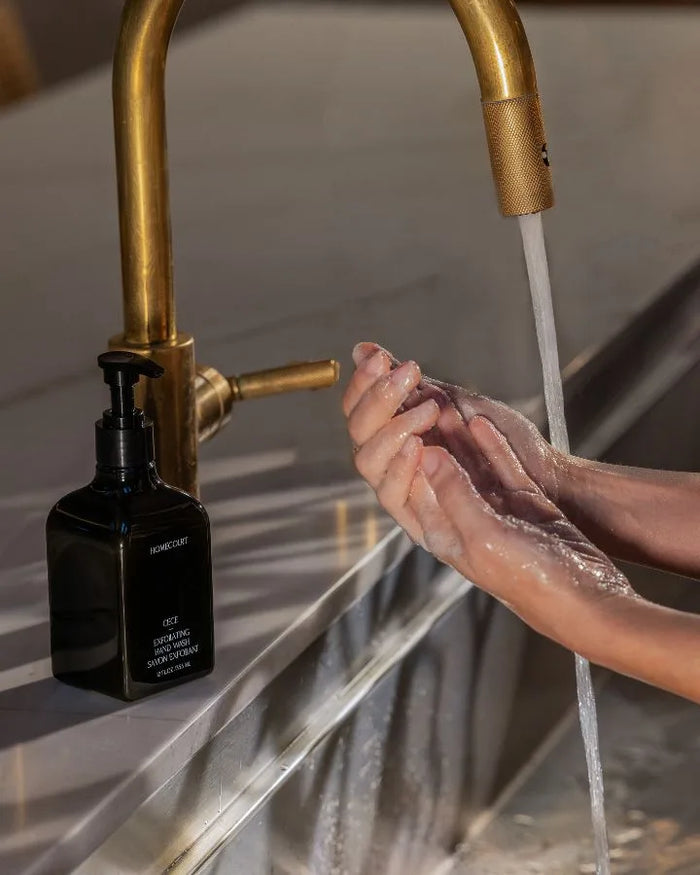
Soap's surfactants lift dirt, grease and microbes off your skin, the CDC explains, and running water carries them down the drain, with the friction of rubbing your hands together loosening them first. So the useful answer to does soap kill bacteria is that it removes them, and a germ rinsed off your hands is as gone as one that was killed. People also scrub more thoroughly with soap than with water alone, the CDC notes.
Water temperature, per the CDC, does not appear to change how many germs come off, though warmer water may irritate skin more. Use what feels comfortable.
Mild hand soap for skin you wash all day
For most people, a mild hand soap matters more than the antibacterial question, because hands get washed constantly. The CDC lists ten key times to wash, from before you cook to after you take out the trash.
For dry hands, the American Academy of Dermatology suggests a gentle cleanser and a hand cream after each wash. Anyone choosing a hand soap for sensitive skin gets one more tip from the AAD: pick products labeled fragrance-free.
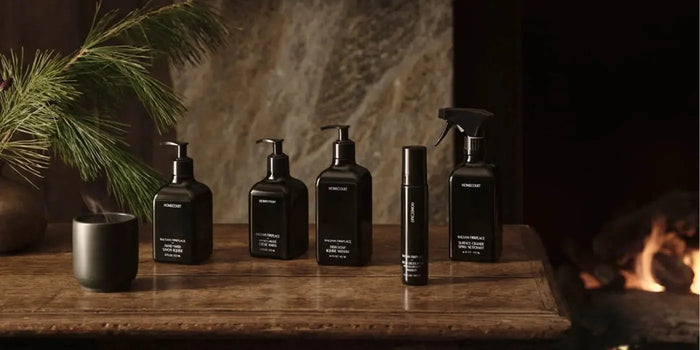
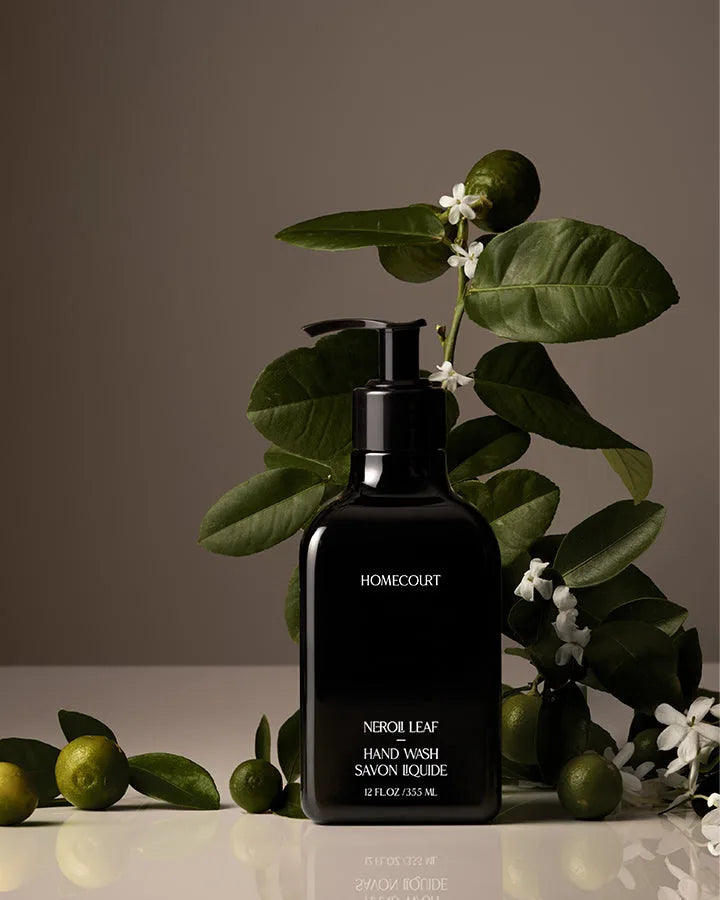
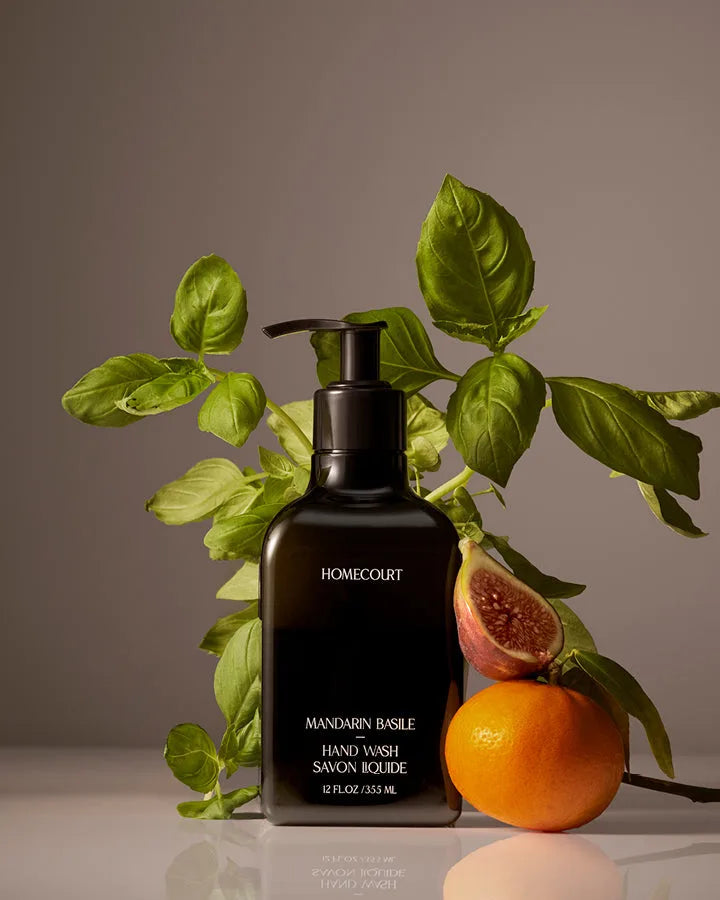
Our Homecourt Hand Wash cleans with coconut-derived surfactants, adds argan oil and Australian hibiscus flower extract, and has no antibacterial active on its ingredient list. Like any plant-based gentle hand soap, it is designed to clean without stripping moisture. It is also scented, in six fragrances, so skip it if you are following the AAD's fragrance-free advice.
For everyone else, the Hand Wash won Esquire Grooming Awards in 2022 and 2023 and comes in a 12 oz recycled bottle with a reusable pump.
What antibacterial soap adds
Gentle 8Antibacterial 5
An active ingredient & a Drug Facts panel.
Why the FDA says plain soap works
Gentle 9Antibacterial 4
The 2016 rule in plain terms.
Does soap kill bacteria?
Gentle 8Antibacterial 8
Plain soap removes what it does not kill.
Gentle soap vs antibacterial soap side by side
Feature by feature
| Feature | Gentle soap | Antibacterial soap |
|---|---|---|
| What it is | Surfactants that lift dirt & germs off skin | The same, plus an antibacterial active ingredient |
| On the label | An ingredient list, no Drug Facts panel | A Drug Facts panel & usually the word antibacterial |
| Active ingredient | None | Benzalkonium chloride, benzethonium chloride or chloroxylenol |
| Shown to prevent illness better at home | It is the baseline | No, per the FDA |
| Scrub time | At least 20 seconds | At least 20 seconds |
| Where it belongs | Every sink at home | Health care settings, outside the 2016 rule |
When antibacterial hand soap still makes sense
The short list of real exceptions
Antibacterial hand soap still has a job, mostly outside your kitchen. The FDA's 2016 rule covers only consumer soaps and body washes used with water. Antibacterial soaps in health care settings such as hospitals and nursing homes sit outside it, and so do hand sanitizers and hand wipes.
Away from a sink, the CDC recommends a hand sanitizer with at least 60% alcohol. Treat it as a fallback. Soap and water work better on greasy or visibly dirty hands, the CDC says, and remove some germs, such as norovirus, more effectively.
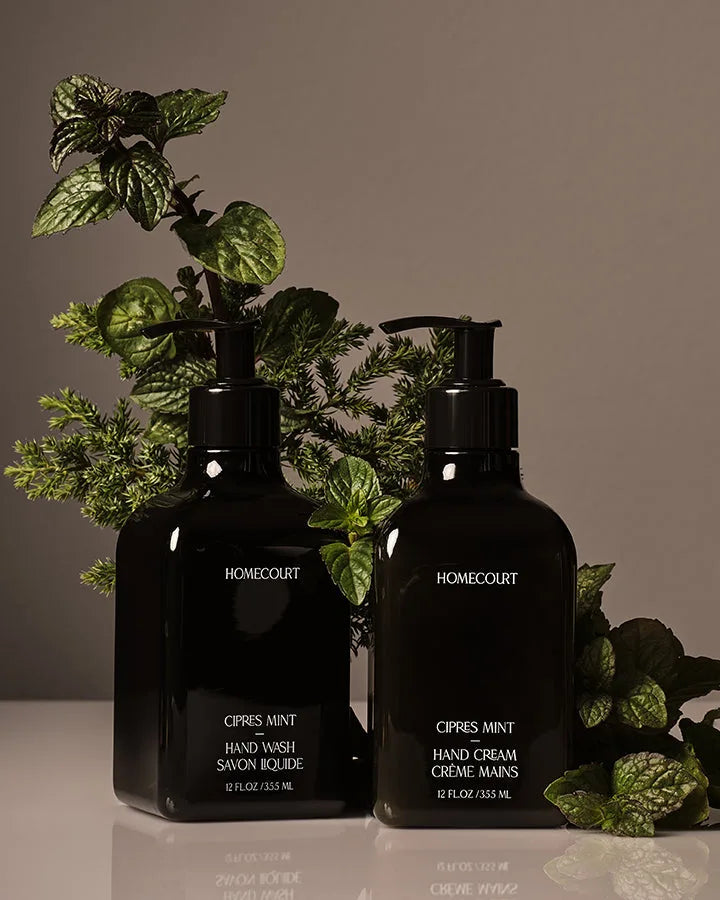
A search for non toxic antibacterial hand soap asks one bottle for two things, and only the cleaning is backed by evidence, since the three actives left on shelves are still waiting on new safety data. For the sink at home, the Hand Duo pairs our Hand Wash with Hand Cream for $71, $10 less than buying both on their own.
Choose gentle soap for
- Every sink at homeThe FDA's advice to consumers is plain soap and water.
- Greasy or grimy handsThe CDC says soap and water beat sanitizer on visibly dirty hands.
- Hands washed all dayFollow each wash with hand cream, as dermatologists suggest.
Choose antibacterial soap for
- Hospitals & nursing homesAntiseptic soaps used there sit outside the 2016 consumer rule.
- No sink nearbyThe CDC's fallback is a sanitizer with at least 60% alcohol.
- Wipes on the goThe rule covers only washes used with water, not hand wipes.
Hand soap FAQ
Quick answers before you buy
Is antibacterial soap bad for you?
The FDA stopped short of calling it harmful. Makers of 19 antibacterial ingredients, triclosan included, never showed they were safe for long-term daily use or better than plain soap at preventing illness, so those ingredients can no longer be sold in consumer washes. An FDA physician also warned that these products might give people a false sense of security.
What is triclosan?
Triclosan is an antibacterial active ingredient that was once added to consumer hand soaps and body washes. It is one of the 19 ingredients, triclocarban among them, that the FDA's 2016 final rule removed from nonprescription consumer antiseptic washes, effective September 2017.
How long should you wash your hands?
Scrub for at least 20 seconds, the CDC says, about as long as humming Happy Birthday twice. Lather the backs of your hands, between your fingers and under your nails, then rinse under clean running water and dry with a clean towel. Studies the CDC reviewed found 15 to 30 seconds removes more germs than shorter washes.
More Homecourt hand wash guides
Keep reading