


 Natural Cleaning Products
Nobody needs to empty the cabinet under the sink in one weekend. Most kitchens hold a few products that get used ten times a day and a lot that get used twice a year, and only the first group really adds up.
This list starts there. Each swap names what to retire, what to use instead and the source behind the advice. A few are products we make. Most are habits.
The short answer
Start with what you touch most: dish soap, a counter spray, hand soap, sponges and the cloths you wipe up with. Then retire worn cutting boards and scratched pans as they wear out, reheat food in glass or ceramic, ventilate before you spray anything, and keep a hand cream by the sink. Swap each product when it runs out, not before.
Non-toxic kitchen swaps at a glance
All ten on one screen
These are the non toxic kitchen swaps in the order we would make them. The first five get used daily, so they matter most. The rest are slower non toxic swaps that happen as things wear out.
| Swap | Swap out | Swap in |
|---|---|---|
| 01Dish soap | Unlisted formulas | A full ingredient list |
| 02Surface cleaner | Daily disinfectant | A soap-based spray |
| 03Hand soap at the sink | Antibacterial soap | Plain soap |
| 04Sponges & brushes | A sponge kept for months | A sponge you clean |
| 05Cutting boards | One grooved board | Two boards, washed hot |
| 06Food storage containers | Reheating in takeout tubs | Glass or ceramic |
| 07Cookware | Scratched coated pans | Stainless or cast iron |
| 08Paper towels | A roll for every spill | Washable cloths |
| 09Air freshener | Masking sprays | Fresh air first |
| 10Hand cream for after dishes | Bare hands at the sink | Gloves, then cream |
Non-toxic household products to swap first
Ten swaps, sink first
Shopping for non toxic household products is easier when you skip the front of the bottle and read the back: a full ingredient list, clear directions and no claim the label cannot back up.
1. Dish soap
The bottle you reach for most
Dish soap touches your hands and every plate you own several times a day, so we would change it first. Look for a formula that prints its full ingredient list and flags fragrance allergens.
That is why we make a non-toxic dish soap the way we do. Homecourt Dish Soap is $28 for 16 oz, made with plant-derived surfactants that lift food debris and glycerin to help protect skin. It won a 2022 Good Housekeeping Cleaning and Organizing Award. The whole ingredient list sits on the product page, fragrance allergens noted.
- Swap out
- Unlisted formulas
- Swap in
- A full ingredient list
 Try it withDish Soap$28
2. Surface cleaner
One spray for the daily wipe-down

The CDC says cleaning with soap or detergent removes most germs from surfaces, and that sanitizing or disinfecting at home is likely not needed unless someone in the house is sick. Your everyday counter spray does not need to be a disinfectant.
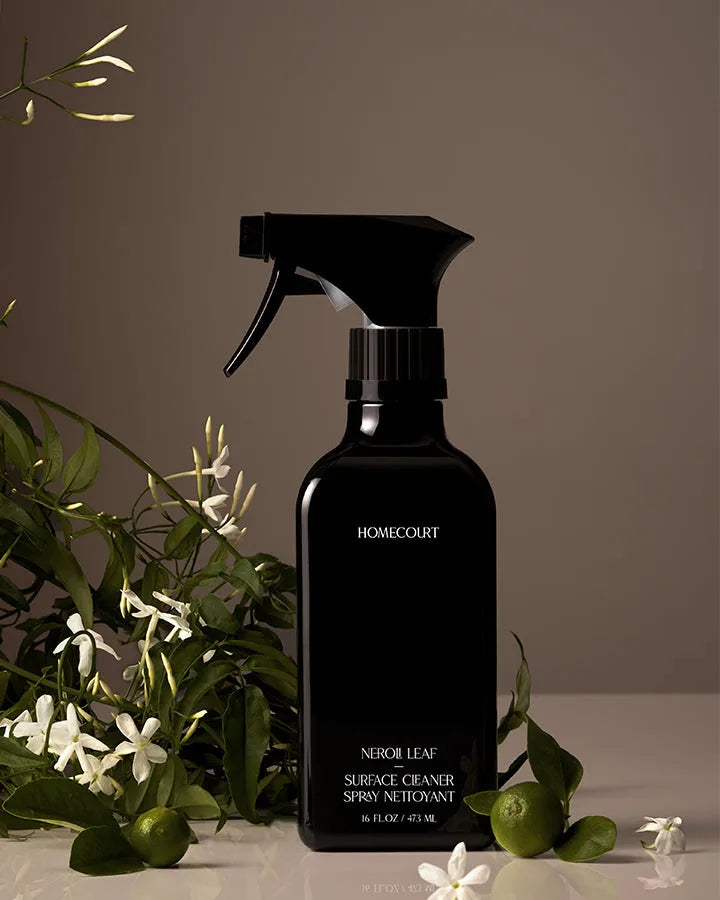
Homecourt Surface Cleaner is $26 for 16 oz. A coconut-derived degreaser dissolves grease and loosens debris, alongside Mediterranean cypress oil. The label lists finished wood, tile, sealed stone, stainless steel and granite. It does not list glass, so keep a separate cleaner for windows and glass cooktops.
- Swap out
- Daily disinfectant
- Swap in
- A soap-based spray
 Try it withSurface Cleaner$26
3. Hand soap at the sink
Plain soap does the job

According to the FDA, there isn't sufficient evidence that over-the-counter antibacterial soaps prevent illness better than plain soap and water. In 2016 the agency stopped 19 active ingredients, including triclosan, from being sold in consumer antiseptic washes.
The swap at the kitchen sink is a soap pleasant enough to use every time. Homecourt Hand Wash is $36 for 12 oz, with argan oil, Australian hibiscus flower extract and coconut-derived surfactants. It won the Esquire Grooming Awards in 2022 and 2023.
- Swap out
- Antibacterial soap
- Swap in
- Plain soap
4. Sponges & brushes
Clean the tool, not only the dish
A kitchen sponge can harbor foodborne pathogens as well as moisture. USDA researchers compared four common ways to clean one against leaving it untreated. A minute in the microwave or a dishwasher run with a drying cycle killed more than 99.99 percent of bacteria. Soaking it in bleach solution, lemon juice or water killed only 37 to 87 percent.
So the easy swap is a habit. Clean your sponge, let it dry between uses and replace it when it frays or smells. A brush with stiff bristles handles pans, and it needs the same rinse and dry.
- Swap out
- A sponge kept for months
- Swap in
- A sponge you clean
5. Cutting boards
Two boards, washed hot
Wood or plastic? Wisconsin Extension's answer is that there is no easy answer: either material works, and how you handle the board matters most. The real swap is from one board to two, one for raw meat, poultry and seafood and one for produce and bread, which the CDC recommends too.
Wash both with hot, soapy water after each use, and discard a board once it is excessively worn or has hard-to-clean grooves, as the Extension advises.
- Swap out
- One grooved board
- Swap in
- Two boards, washed hot
6. Food storage containers
Reheat in glass or ceramic
The swap here is about reheating more than storing. University of Illinois Extension says to heat food only in containers labeled microwave safe, because scientists have documented small amounts of chemicals such as bisphenol-A and phthalates moving from containers into food. It also warns against reusing trays from microwavable ready meals and against heating food in foam carry-out containers.
Keep plastic tubs for cold leftovers if you like, and move the food to glass or ceramic before reheating.
- Swap out
- Reheating in takeout tubs
- Swap in
- Glass or ceramic
7. Cookware
Replace pans as they wear out
Nonstick pans are the swap people ask about most, and the honest answer is less dramatic than the internet suggests (more in the cookware section below). When a coated pan is scratched or flaking, replace it with stainless steel, cast iron or carbon steel, which have no coating to wear off.
- Swap out
- Scratched coated pans
- Swap in
- Stainless or cast iron
8. Paper towels
Cloths for most spills
Washable cotton or linen towels cover most of what a roll of paper towels does: wet counters, spilled water, drying your hands. Keep a few in a drawer by the sink and wash them hot.
We still keep one roll for raw meat juices and draining fried food, where a towel you throw away makes more sense.
- Swap out
- A roll for every spill
- Swap in
- Washable cloths
9. Air freshener
Fix the smell first
The EPA lists air fresheners among the household products that release volatile organic compounds, or VOCs, into indoor air, and recommends plenty of fresh air when you use them. Most kitchen smells have a source you can deal with first: the trash, the disposal, last night's fish. Take the trash out, run the hood fan and open a window.
If you still want a spray, choose one made to neutralize odor. Homecourt Room Deodorant ($45, 3.4 oz) is clinically tested to reduce and neutralize odors, according to its product page, with zinc ricinoleate to trap odor molecules. It still carries fragrance, so use the two or three sprays the directions call for, into the air and at least 8 to 10 inches from surfaces.
- Swap out
- Masking sprays
- Swap in
- Fresh air first
 Try it withRoom Deodorant$45
10. Hand cream for after dishes
Gloves first, cream after
The American Academy of Dermatology suggests wearing gloves when you wash dishes and putting moisturizer on after you wash your hands, while the skin is still damp. A pump by the sink makes the second step easy.
Homecourt Hand Cream is $45 for 12 oz, non-greasy and tested by board-certified dermatologists, with shea butter, Australian hibiscus flower extract and fermented microalgae oil. One caveat: the AAD recommends fragrance-free products for dry, sensitive skin, and ours is fragranced. If your hands are cracked or reactive, use a fragrance-free cream until they heal.
- Swap out
- Bare hands at the sink
- Swap in
- Gloves, then cream
Non-toxic cookware & food storage
What the FDA says about nonstick
Search for non toxic cookware and most results are selling something. The FDA's position is narrower. Coated nonstick pans use PFAS that have been polymerized into large molecules and bonded to the pan at very high temperatures. The FDA says the process vaporizes off virtually all of the smaller PFAS molecules that could migrate, and that studies show negligible amounts of PFAS in this coating can migrate to food.
Stainless steel, cast iron and carbon steel are still good choices. If you would rather not cook on a coating at all, they last for years with care and have nothing to scratch off. Cast iron and carbon steel need seasoning, and stainless steel takes a little oil and some practice with eggs. Our advice: let the next pan you buy be uncoated.
A non toxic cutting board is less about the material than about how you treat it. Solid wood and plain plastic both work, as Wisconsin Extension says. Nonporous plastic, acrylic and glass boards and solid wood boards can go in the dishwasher, though laminated boards may crack there. Give raw meat its own board and retire any board with grooves you cannot get clean.
For non toxic food storage, glass containers with snap lids do the most jobs: fridge to microwave to table, with no tomato stains. Use them for anything you plan to reheat. If you do heat in plastic, University of Illinois Extension says to use only containers labeled microwave safe, and notes that fattier foods such as meat and cheese are more likely to pick up chemicals during microwaving. If you cover a dish in the microwave, use a microwave-safe lid or a wrap labeled microwave safe, loosely, so steam can escape.
Non-toxic cleaners for the counter & sink
Three bottles cover most of it
Most kitchens need three non toxic cleaners: a dish soap, a hand soap and a counter spray. Anything else is for a specific job, like an oven or glass, and can wait until that job comes up.
A good non toxic dish soap cleans grease without making your hands pay for it. Ours uses plant-derived surfactants and glycerin, and every ingredient is printed on the product page. Add a counter spray that suits your surfaces and the hand soap, and that is the whole kit.
One CDC point is worth taping inside the cabinet door: clean first, then sanitize any surface that touched raw meat, poultry or their juices, including the inside of the sink. That is the job for a sanitizer or a diluted bleach solution, used on its own. The CDC also says not to mix cleaning products with each other.
If you want the three in one scent, the Kitchen Trio puts Surface Cleaner, Dish Soap and Hand Wash in one box for $80, a $90 value, in six scents. It won a 2022 Architectural Digest Cleverest Award.
A non toxic sponge, if you want a product answer, is any sponge or brush you actually clean and replace. Plant-fiber sponges and wooden brushes are pleasant to use, but no material stays clean on its own. Run yours through the dishwasher with a drying cycle, or microwave it for a minute, the two methods that worked best in the USDA tests.
How to switch without throwing everything out
Use it up, then replace it
Non toxic living does not start with a trash bag. Throwing out half-used bottles wastes money, and the drain is the wrong place for them. The EPA says leftover cleaners can count as household hazardous waste, warns against pouring them down drains or storm sewers, and suggests checking the label for disposal directions or using a local collection day.
So switch in the order you run out. The dish soap and hand soap usually go first, which suits a list that starts with what you touch most. Swap the counter spray next. Cutting boards, pans and containers get replaced as they wear out, which spreads the cost over a year or two.
A non toxic kitchen also needs fewer new bottles than you might think, thanks to refills: the 1L Dish Soap Refill fills two bottles and uses 92% less plastic, and the Surface Cleaner Refill does the same for the spray.
When you shop for anything new, the EPA Safer Choice program is the most useful label to know. Before a product can carry it, the EPA reviews every chemical ingredient, whatever its percentage, against criteria that include carcinogenicity and toxicity to aquatic life, and it limits VOC content. Not every good product carries it, so treat it as a shortcut, not the only test.

Non-toxic kitchen FAQ
What readers ask us
What are the easiest non-toxic swaps?
Dish soap, hand soap, the counter spray and the way you clean your sponge. You use all four daily and replace them often anyway, so the change costs nothing extra. Washable cloths come right after.
What does non-toxic mean on a label?
Less than most shoppers assume. The FTC's Green Guides say a non-toxic claim likely tells buyers a product is non-toxic for both people and the environment, and that a company making it should have competent and reliable scientific evidence or qualify the claim. No agency certifies the word itself, so read the ingredient list and directions too. Our guide to what non-toxic really means goes through the labels one by one.
Is non-toxic cookware worth it?
It depends on what you are replacing. The FDA says negligible amounts of PFAS migrate from nonstick coatings into food, so there is no need to throw out a pan in good shape. When a coated pan is scratched or flaking, buying stainless steel, cast iron or carbon steel instead is a sensible upgrade. Those pans have no coating to wear, and a good one lasts for years with care. Of all the non toxic kitchen swaps here, it is the one to make last, when a pan earns it.
More non-toxic kitchen guides
Keep reading
Natural Cleaning Products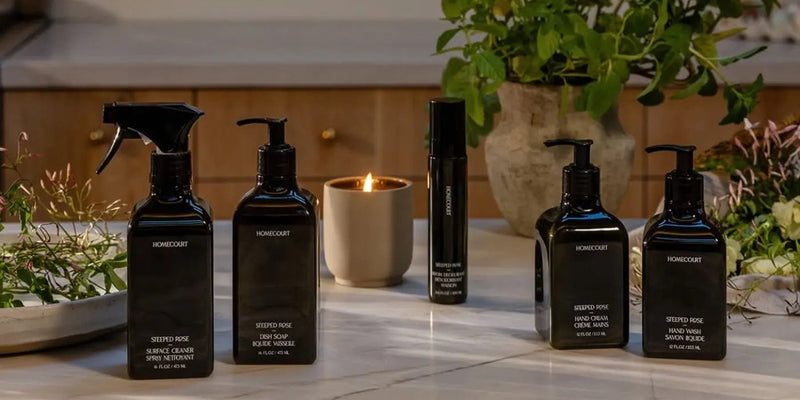 Natural Cleaning Products
How to Layer Home and Body Fragrance for a Signature Scent
Casandra Tayag May 6, 2026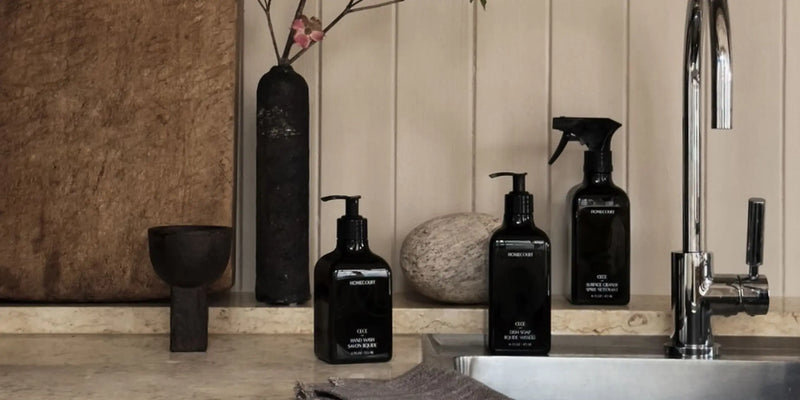 Natural Cleaning Products