

 Hand Wash
Dry hands in winter are close to universal. The air outside is cold and dry, the air inside is heated and drier still, and you are washing your hands more than ever. By January the knuckles look rough, the skin around the nails splits, and hand cream seems to vanish an hour after you put it on.
Most of the fix happens at the sink, and the American Academy of Dermatology (AAD) does not tell you to wash less. It recommends changing how you wash, dry and moisturize, and this list follows that advice, starting with the soap.
The short answer
To stop dry hands in winter, wash with a gentle soap in lukewarm water, pat your hands until slightly damp and apply hand cream right away. Keep a cream at every sink, wear gloves for dishes and outdoors, run a humidifier and give your hands a heavier cream under cotton gloves at night. If your hands crack, bleed or stay dry despite all that, see a board-certified dermatologist.
Dry hands in winter at a glance
All nine habits on one screen
Most of the dry hands winter brings come from water, cold air and dry heat, and these habits work on all three. Five happen at the sink, and four protect your hands from everything else.
None needs a special product.
| Habit | When | What you need |
|---|---|---|
| 01Switch to a gentle hand soap | Every wash | A non-stripping soap |
| 02Wash with lukewarm water | Every wash | Lukewarm water |
| 03Pat, don't rub | After washing | A clean towel |
| 04Apply hand cream for dry hands right after | On damp skin | Cream or ointment |
| 05Keep a cream at every sink | All day | A cream per sink |
| 06Wear gloves for dishes | Dishes, wet chores | Waterproof gloves |
| 07Wear gloves outside | Cold, dry days | Warm gloves |
| 08Run a humidifier | Overnight | A clean humidifier |
| 09Treat hands overnight | Bedtime | Cream & cotton gloves |
Why are my hands so dry in winter?
Cold air out, dry heat in
If you keep asking why are my hands so dry each January, weather is only part of it. MedlinePlus, the National Library of Medicine's health site, lists cold, dry winter air and dry indoor air from heating among the main causes of dry skin, along with bathing too often or too long and some soaps and detergents.
The AAD puts it simply: as the temperature drops, the heat indoors goes up, and the air gets drier than in other seasons. Hands take the worst of it, and dry hands are common because they are always exposed and often washed. That leaves hands chapped, red, itchy and in some cases scaly, it says. An AAD dermatologist adds that frequent wetting without enough moisturizing compromises the skin's barrier.
Age plays a part too: MedlinePlus notes that skin gets thinner and makes less natural oil with age.
Ways to stop dry hands in winter
From the sink to the nightstand
Each habit comes from the AAD's guidance on dry skin and handwashing. Together they make a practical dry hands remedy, and none asks you to wash less.
1. Switch to a gentle hand soap
Start where the dryness starts

According to the AAD, some soaps are more drying than others, and you may need to try a few to find one that suits your skin. Its dermatologists single out deodorant soaps as too harsh for dry, sensitive skin.
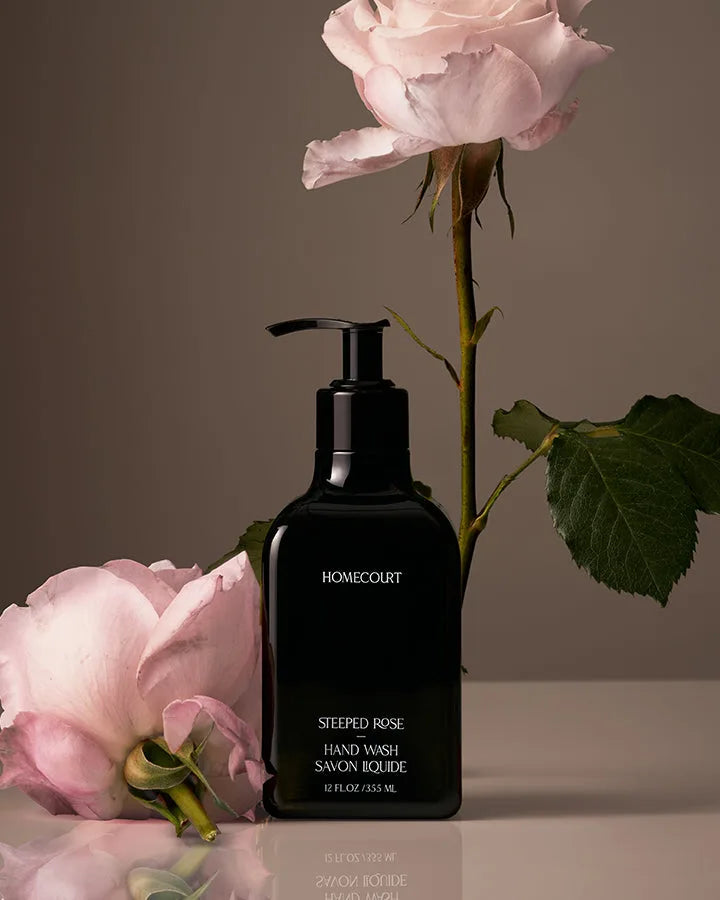
A gentle hand soap cleans without stripping. Homecourt Hand Wash uses coconut-derived surfactants with argan oil and Australian hibiscus flower extract, and it is made to cleanse without stripping away moisture. It won Esquire Grooming Awards in 2022 and 2023.
It is also scented. For dry, sensitive skin the AAD recommends fragrance-free products, so if your hands are already cracked or scent has bothered you before, use a fragrance-free soap until they heal.
- When
- Every wash
- What you need
- A non-stripping soap
 Try it withHand Wash$36
2. Wash with lukewarm water
Warm enough, never hot
Hot water feels good on a cold day, which is why it tempts. The AAD's handwashing advice is lukewarm water for at least 20 seconds, with soap on every part of your hands, including between the fingers and around the nails.
MedlinePlus gives similar advice for baths: lukewarm water, and no more exposure to water than you need.
- When
- Every wash
- What you need
- Lukewarm water
3. Pat, don't rub
Leave them a little damp
Rubbing irritates dry skin, according to the AAD, so pat your hands with a clean towel instead. AAD handwashing tips go one step further: dry your hands but leave some water on them, or let them air dry until slightly damp.
That last bit of moisture matters for the next step.
- When
- After washing
- What you need
- A clean towel
4. Apply hand cream for dry hands right after
Within seconds, on damp skin

Timing matters most. Apply hand cream or ointment to damp skin right after you wash, the AAD advises, working some into your fingertips and nails. Moisturizer after handwashing does not cancel out the washing, the AAD adds.
In a hand cream for dry hands, the AAD favors creams and ointments over lotions, because they add more moisture. Its list of ingredients to look for includes shea butter, glycerin, jojoba oil, dimethicone and petrolatum.
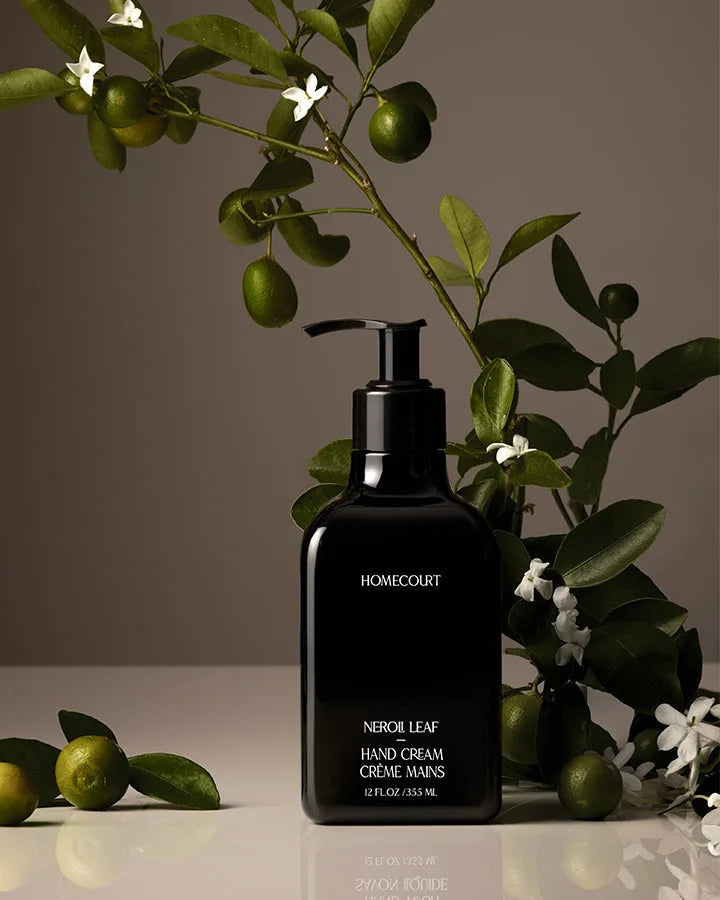
Homecourt Hand Cream is a non-greasy cream with shea butter, Australian hibiscus flower extract and fermented microalgae oil. It is board-certified dermatologist-tested, scented and sold in a pump bottle. For chapped hands, the AAD says a fragrance-free, dye-free cream or ointment in a tube or tub, with mineral oil or petrolatum, tends to feel less irritating. Use that until the chapping heals.
- When
- On damp skin
- What you need
- Cream or ointment
5. Keep a cream at every sink
Make the habit automatic

Nobody walks to another room for hand cream after every wash. Put one beside every sink you use, the kitchen and guest bathroom included. It also helps to carry a non-greasy hand cream and apply it after each hand washing, as the AAD suggests.
A matching soap and cream at each sink makes the cream hard to skip.
- When
- All day
- What you need
- A cream per sink
 Try it withHand Duo$71
6. Wear gloves for dishes
Hot water is the hardest test
Dishes mean long stretches in hot, soapy water. Washing dishes, gardening and keeping your hands in water all day can worsen dry skin, according to the AAD, which recommends gloves that keep your skin from getting wet.
Waterproof dish gloves do the job. Keep a pair at the kitchen sink.
- When
- Dishes, wet chores
- What you need
- Waterproof gloves
7. Wear gloves outside
Cold, dry air does the damage
The same AAD advice applies outdoors: gloves that protect your hands from cold, dry air, as in winter, can help dry skin heal. Put them on before you leave, not once your hands sting.
Chapped hands from the cold are easier to prevent than to fix, so keep a pair by the door and another in your coat pocket.
- When
- Cold, dry days
- What you need
- Warm gloves
8. Run a humidifier
Put moisture back in the air
Dry skin needs moisture, and heated air has little. A humidifier, built into your heating system or portable, raises the humidity at home, as the AAD suggests. If you use a portable unit, place it in your bedroom and run it while you sleep.
Clean it regularly to prevent mold, the AAD adds.
- When
- Overnight
- What you need
- A clean humidifier
9. Treat hands overnight
Moisture that works while you sleep
Night is when your hands stay dry and still for hours. An AAD dermatologist recommends soaking your hands in warm water before applying a cream or ointment, then putting on cotton gloves and running a humidifier while you sleep.
Gloves keep the cream on your hands, not the pillowcase. A thicker ointment works well here, since nobody minds greasy hands at night.
- When
- Bedtime
- What you need
- Cream & cotton gloves
Dry cracked hands: When to see a dermatologist
Know when home care is not enough
Most dry hands respond to these habits. Dry cracked hands that do not improve are a different matter. According to the AAD, if dry skin continues after you try its tips, see a board-certified dermatologist, because the dryness may come from an underlying condition such as atopic dermatitis, psoriasis or kidney disease.
Hand eczema is one of the most common forms of eczema, according to the AAD. In an AAD release, a Mayo Clinic dermatologist explained that hands which stay extremely dry and painful despite moisturizer throughout the day may have hand eczema. Unlike dry skin, the AAD says, hand eczema can cause:
- Deep, painful cracks.
- Itchy blisters.
- Bleeding or weeping skin.
- A burning feeling.
- Crusts, pus or pain.
Cracked hands matter because severely dry skin can crack deeply and become infected, says another AAD dermatologist. Do not try to diagnose or treat any of this yourself. The AAD advises asking a dermatologist before using an anti-itch cream, because many contain ingredients that can irritate very dry skin.
For everyday care, read the AAD's dermatologists' tips for dry skin and our own tips for dry & cracked hands. If your skin hurts, bleeds or keeps getting worse, a doctor comes first.
A winter skin care routine for hands
Morning to night, one routine
Good winter skin care for hands is less about products than repetition. If you have been searching for how to get rid of dry hands, the answer is a routine you can keep every day until spring:
- At every wash: gentle soap, lukewarm water, a quick pat dry, then hand cream on damp skin.
- During the day: a cream at every sink and one in your bag, plus gloves for dishes and for going out.
- At night: a humidifier in the bedroom and, a few nights a week, a heavier cream under cotton gloves.
A wash and a cream at each sink makes it easier. Our Hand Duo puts a 12 oz Hand Wash and a 12 oz Hand Cream together for $71 instead of $81 bought separately, which makes the Hand Duo for every sink the simplest setup.

Dry hands FAQ
Quick answers for cold months
Why do hands crack in winter?
Cold outdoor air and heated indoor air are both dry, and hands lose moisture to both, especially when washed often and not moisturized after. According to the AAD, severely dry skin can develop cracks, some of them deep. Hand cream after every wash and gloves outdoors help prevent them. Cracks that bleed or will not heal need a dermatologist.
Is hand soap drying out my hands?
It can be. The AAD notes that frequent handwashing can dry your skin and that deodorant soaps are too harsh for dry, sensitive skin. Keep washing, because handwashing removes harmful bacteria and viruses, which helps prevent you from getting sick. Switch to a gentle soap and apply hand cream right after each wash.
How often should you moisturize your hands?
Several times a day, according to the AAD: after every hand washing, after a shower or bath while the skin is still damp, and whenever your hands feel dry. In cold weather, an AAD dermatologist advises moisturizing more often, especially after your hands get wet. That rhythm is the core of beating dry hands in winter.
More hand care guides
Keep reading
Hand Wash Hand Wash
Gentle Hand Soap vs Antibacterial Soap
Casandra Tayag October 13, 2026 Hand Wash