
Dish soap shelves split into two camps. One promises to cut grease fast, the other to be kind to your hands. Both are mostly water and surfactants, so the gap is smaller than the labels suggest.
We make a gentle dish soap and still wash plenty of greasy pans with it.
The short answer
Use a gentle dish soap for everyday dishes, since your hands spend the most time in that water, and save a degreasing dish soap for heavy, baked-on grease a soak and scrub will not shift. Both clean with surfactants, the molecules that pull grease into water. A degreaser adds strength, and a gentle formula adds ingredients like glycerin. For most kitchens, one gentle soap plus a long soak covers both jobs.
Gentle dish soap vs degreasing dish soap at a glance
Gentle soap for most nights at the sink
- Plant-derived surfactants still lift grease
- Your hands spend the most time in the water
- A long soak loosens baked-on pans
A gentle dish soap is built for frequent use, with milder surfactants and often a humectant such as glycerin. A degreasing dish soap is built for the hardest messes and may carry more cleaning power, sometimes from solvents or enzymes, with skin comfort second.
We scored three rounds: grease, hands and whether one bottle can cover both. Gentle soap wins two. Degreasing soap takes grease, as it should.
Gentle vs degreasing, topic by topic
3 rounds, scored
What a degreasing dish soap does
Every dish soap works the same way. A surfactant has one end that grabs oil and another that grabs water, breaking grease into tiny droplets that rinse away. Our post on how plant-derived degreasers work explains this process, called emulsification.
A degreasing dish soap pushes harder. Formulas sold as grease cutting dish soap often add one or more of these:
- A blend of surfactant types
- A solvent such as citrus-derived d-limonene
- Enzymes that break down fats
On the first point, a study cited in the entry on dishwashing liquid on Wikipedia found an anionic surfactant paired with a nonionic one cleaned better than other combinations.
If you are shopping for the best dish soap for grease, that is the trade: a stronger formula suits the roasting pan, but your hands sit in that water for every glass and plate before it.
Why a gentle dish soap is easier on hands
A mild dish soap starts from the same chemistry with a different goal. Dishwashing liquid is usually a foamy mix of surfactants with low skin irritation, the Wikipedia entry notes, and gentle formulas go further with ingredients chosen for skin.
Water matters too. The American Academy of Dermatology notes that washing dishes or keeping hands in water throughout the day can worsen already dry skin.
So a dish soap gentle on hands is worth having, even if soap is only part of it. Ours adds glycerin, which our product page says is there "to hydrate and protect skin." Glycerin is also on the AAD's list of ingredients to look for in a moisturizing cream.
Can one dish soap do both?
For most kitchens, yes.
A well-made plant based dish soap still pulls grease into the water, and on a bad pan, time often matters more than strength.
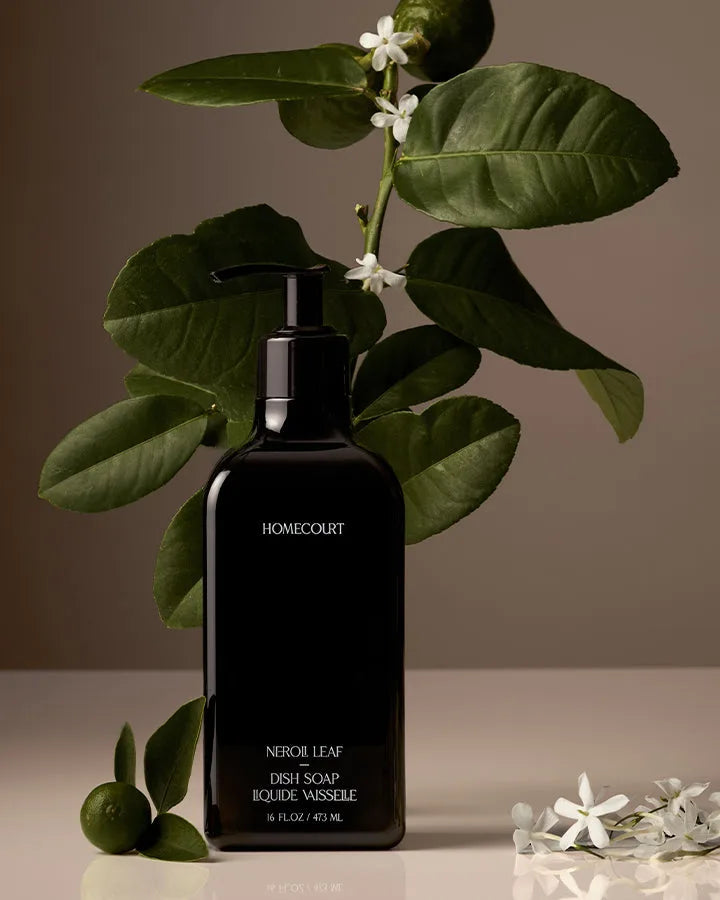
Our Dish Soap is a mild dish soap that quickly dissolves grease and grime. It cleans with plant-derived surfactants, adds glycerin, costs $28 for 16 oz and won a 2022 Good Housekeeping Cleaning and Organizing Award.
For baked-on messes, the label describes an overnight soak: two to three pumps in plenty of water, dishes submerged for several hours, then sponge and rinse. That soak does much of the work a stronger formula would.
The best dish soap for daily washing is the one your hands can live with. Shoppers after a non toxic dish soap usually want a readable ingredient list and plant-derived cleaners. Our product page lists every ingredient, including a note that the fragrance may contain allergens.
Dish soap for sensitive skin
If you need a dish soap for sensitive skin, start with fragrance. The AAD recommends products labeled fragrance-free for dry, sensitive skin. It also warns that unscented is different, since those products can contain chemicals that hide other odors.
Our Dish Soap comes in six scents. If fragrance bothers your skin, a fragrance-free formula is the better pick, and we would rather say so.
Gloves are the other fix. Even a dish soap that is gentle on hands cannot undo an hour at the sink, and the AAD suggests gloves to keep dry skin out of the dishwater. Our kitchen cleaning tips for sensitive skin cover the rest.
What a degreasing dish soap does
Gentle 6Degreasing 9
Strength first, comfort second.
Why a gentle dish soap is easier on hands
Gentle 9Degreasing 5
Your hands do most of the soaking.
Can one dish soap do both?
Gentle 8Degreasing 6
Usually, with a little patience.

Gentle dish soap vs degreasing dish soap side by side
Feature by feature
| Feature | Gentle dish soap | Degreasing dish soap |
|---|---|---|
| Built for | Everyday dishes, washed often | Heavy, cooled or baked-on grease |
| How it cleans | Surfactants pull grease into the water | Surfactants, sometimes boosted with solvents or enzymes |
| Extras for skin | Often a humectant such as glycerin | Varies by label |
| Best on | Plates, glasses, lightly greasy pans | Roasting pans & sheet pans |
| Baked-on pans | A long soak first | A shorter scrub |
| Gloves for dry hands | Yes, the AAD suggests them | Yes, the AAD suggests them |
How to cut grease without drying your hands
A routine for greasy nights
Most greasy nights need a better order of work more than a stronger soap. The American Cleaning Institute's hand-washing steps match our routine:
- Scrape first, and never pour grease down the drain, where it can clog.
- Soak the worst pans. The ACI suggests 15 to 30 minutes in hot, soapy water for stuck-on food. Our label allows an overnight soak.
- Wash in order. Glasses and flatware first, pans last.
- Refresh the water when it turns greasy, cools or loses its suds.
- Protect your hands. Wear gloves, then use a hand cream, as the AAD recommends for dry hands.
Before a soak, check the cookware maker's instructions, since some pans should not be submerged, the ACI notes. To stock a sink from scratch, the Kitchen Trio bundles our Dish Soap, Surface Cleaner and Hand Wash for $80, a $90 value.
Choose gentle dish soap for
- Nightly dishesYour hands spend the most time in this water.
- Greasy pans with time to soakOur label allows an overnight soak.
- Hands that run dryAdd gloves, as the AAD suggests.
Choose degreasing dish soap for
- Grease that survives a soakA stronger formula is the next step, with gloves on.
- Roasting pans after a holidayHeavy, cooled fat is what degreasers target.
- No time to soakExtra cleaning power can shorten the scrub.
Dish soap FAQ
Quick answers before you buy
What is the mildest dish soap?
No single bottle holds that title, since skin reacts differently. Look for plant-derived surfactants, a humectant such as glycerin and, if fragrance bothers you, a fragrance-free label, which the AAD recommends for sensitive skin.
Does dish soap dry out your hands?
Even a gentle dish soap can add to dryness, though water is a big part of it. The AAD says keeping your hands in water, including while washing dishes, can worsen dry skin. Gloves keep them dry, and hand cream afterward puts moisture back.
Should you soak greasy pans overnight?
For baked-on grease, yes, if the pan can be submerged. The ACI suggests 15 to 30 minutes for stuck-on food, and our Dish Soap label allows an overnight soak. Check the cookware maker's instructions first.
More Homecourt dish soap guides
Keep reading